Your phone spends more time in your hand, pocket, bag and car than on a desk. That is why phone cases are not just an add-on. The right one can help prevent a costly repair after a drop, improve grip on the commute and keep your device looking cleaner for longer.
A good case does not need to be bulky or expensive. It needs to fit your phone properly, suit how you use it and protect the areas most likely to take a knock. Here is what to look for before you buy.
Phone Cases Start With the Right Fit
A case that looks right but fits loosely is not doing its job. Even a small gap around the corners can leave your phone exposed when it falls, while poorly placed cut-outs can make it awkward to use charging cables, speakers and side buttons.
Always choose a case made for your exact phone model. This matters more than many people realise, particularly when manufacturers release several versions of the same handset with different camera layouts, screen sizes or button positions. Check the model name in your phone settings if you are unsure, rather than guessing from its appearance.
A properly fitted case should sit firmly around the frame without lifting at the edges. The buttons should still feel responsive, the camera lenses should have clear space around them and the charging port should remain easy to reach. If you use a screen protector, look for a case with a slightly raised edge that will not push against it.
Choose Protection for Your Actual Routine
The best level of protection depends on where your phone goes each day. Someone working from home may prefer a slim silicone case, while a commuter, parent or tradesperson may need stronger corner protection and a more secure grip.
Slim cases keep the original shape of your handset and slide easily into a pocket. They are a sensible choice for light everyday use, especially if your phone rarely leaves a desk or handbag. The trade-off is simple: less material means less protection in a hard fall.
For busier days, consider a shock-absorbing case with reinforced corners and raised edges around the screen and camera. Corners usually take the first impact when a phone hits the ground, so this extra support can make a real difference. A slightly thicker design may feel less sleek, but it can be far cheaper than replacing a cracked display or damaged rear glass.
If you work outdoors, travel often or share your phone with children, a rugged case is worth considering. These are designed for heavier daily wear and may include textured grips, port covers or a built-in stand. They are not for everyone, as they add size and weight, but protection is usually the priority in these situations.
Think About Grip Before You Think About Colour
A case can be protective on paper and still be a poor choice if it slides out of your hand. Glossy plastic finishes can look smart but may feel slippery, particularly in wet weather or when you are carrying shopping, holding a coffee or getting off the train.
Soft-touch silicone, textured TPU and patterned finishes generally offer more grip. If you use your phone one-handed, this is often more useful than choosing the thickest case available. A case that is comfortable to hold is less likely to be dropped in the first place.
Colour still matters, especially when you want your phone to feel personal. Clear cases show off the handset, darker colours tend to hide marks and brighter options are easier to spot at the bottom of a bag. Just remember that some clear cases can yellow over time, particularly with frequent sunlight and heat exposure. A quality clear case can slow this down, but no transparent finish stays brand new forever.
Materials Make a Difference
Most everyday cases are made from silicone, TPU, hard plastic or a combination of materials. Each has a different feel and level of protection.
Silicone cases are soft, grippy and comfortable for daily use. They suit people who want a clean look and a little extra cushioning without adding too much bulk. They can attract lint in a pocket, though, and lighter shades may show wear sooner.
TPU is a flexible plastic that offers a useful balance of grip, durability and shock absorption. It is common in clear and hybrid cases because it can wrap securely around the edges of the phone. Hard plastic cases often provide a slimmer, more structured finish, but they may offer less cushioning unless combined with softer bumpers.
Hybrid cases use more than one material, usually a firm back with flexible, reinforced edges. For many people, this is the practical middle ground. You get everyday protection without turning your handset into something difficult to carry.
Leather-style cases and wallet cases bring a more traditional look and can hold cards or notes. They are useful when you want to carry less, but they are usually thicker and may not suit contactless payment users who prefer quick access to their phone. Keep cards away from the back of the device when using wireless charging, as they can interfere with charging and create unnecessary heat.
Check Charging and Camera Compatibility
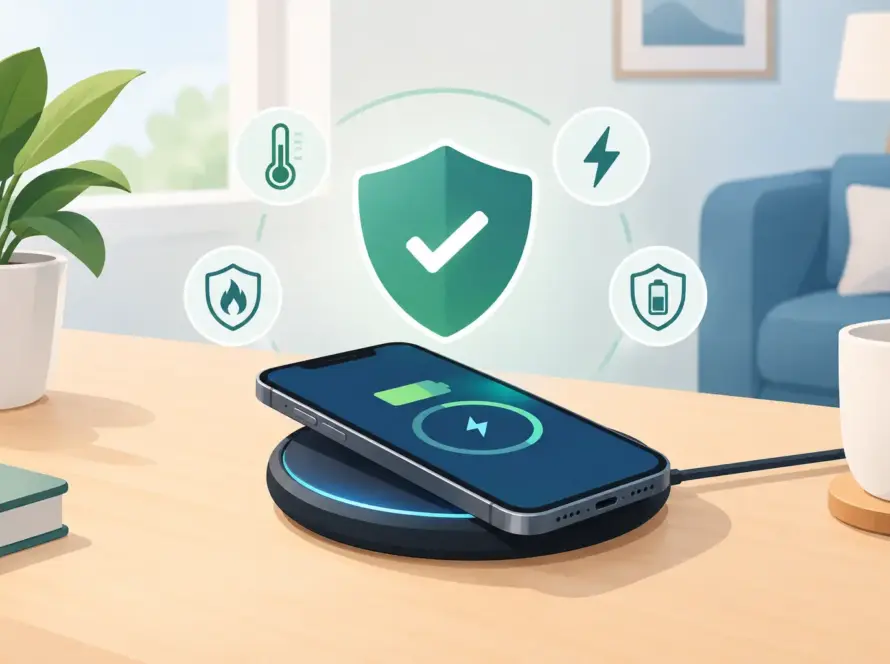
Your accessories should work together, not make daily tasks harder. If you rely on wireless charging, make sure the case is labelled as compatible. Thick cases, metal plates and wallet sections can stop a charging pad from connecting properly or reduce charging efficiency.
Magnetic charging and mounting systems need even more care. A compatible case keeps the magnetic connection secure for charging stands, car mounts and wallets. Using a standard case may still work in some situations, but the hold can be weaker and less reliable when driving.
Camera protection is another detail worth checking. A raised lip around the camera module helps stop lenses touching a table when you put your phone down. It should not cover the flash, interfere with the camera view or create reflections in low-light photos. Small design details like this are what separate a case that simply covers the phone from one that works well every day.
Do You Need a Built-In Screen Protector?
Some heavy-duty phone cases include a built-in screen cover. This can be useful for dusty workplaces, outdoor jobs and younger users, but it is not always the best option. Built-in protectors can reduce screen sensitivity or trap dust underneath if they are not fitted carefully.
For most people, a separate tempered glass screen protector and a case with raised front edges is the more flexible choice. If either item becomes scratched or worn, you can replace it without replacing everything else. It also gives you more choice over the feel of the display.
Replace a Worn Case Before It Lets You Down
Cases do not last forever. Over time, flexible edges can stretch, hard plastic can crack and the corners can lose their ability to absorb impact. If your case no longer sits tightly, has a split near the buttons or has become smooth and slippery, it is time for a replacement.
Take it off occasionally and clean both the case and phone. Dust caught inside can cause fine marks around the frame, while debris around the charging port can make cables feel loose or unreliable. A soft cloth and a small amount of mild soapy water is usually enough for most cases, provided the phone is kept dry and the case is fully dry before refitting.
If your phone has already taken a fall, inspect the case as well as the screen. A case may have done its job by taking the impact, even if the damage is not obvious. Replace it when needed rather than trusting weakened protection for the next drop.
At InstaTech, practical accessories are part of keeping your device useful for longer. Whether you need a slim everyday cover, stronger drop protection or a case that works with your charger and car mount, choosing the right fit now can save time, hassle and repair costs later.
Your phone does not need the biggest case on the shelf. It needs one you will be happy to use every day – secure in your hand, compatible with your accessories and ready for the moments when life gets a little less careful.